What are our idols?

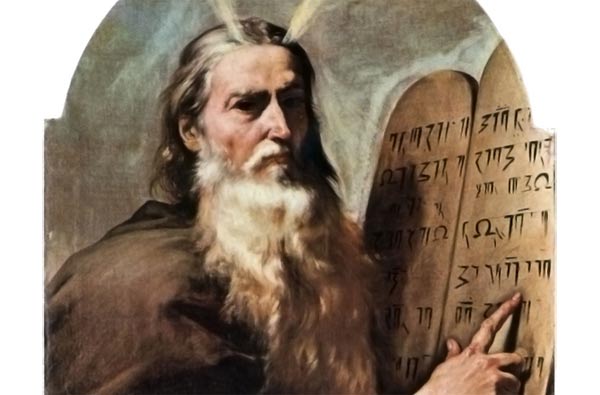
In the Book of Exodus, we read the chronicles of the Jewish people after God appointed Moses to rescue them from Egypt.  We read conversations Moses had directly with God to hear God’s wishes and expectations for the Jewish people.  Let’s not forget that the Jewish people were in bondage and slavery of the Egyptians because they had sinned against God in previous generations.  The Jewish people were sinful and turned their backs on God, so He punished them for generations through their captivity and enslavement in Egypt, of which He rescued them when He appointed Moses as their leader.

We learn in Exodus 32 that while Moses was on Mount Sinai for forty days, receiving unbelievably specific directions and expectations regarding how the Lord wanted the Jewish people to worship Him, the Jews influenced Moses’ brother Aaron to build a golden calf to worship.  Even amid their rescue and “exodus” from the Egyptians, they had quickly lost sight of the God that saved them, in just a matter of days.  The Jews yearned for something to worship, but unfortunately, they had already strayed from God’s wishes to worship Him and instead created a false idol in a golden calf.

How do we stray from God and devote time, money, and effort to our own “idols?”  Idols come in many forms and are not necessarily a physical object like a golden calf described in Exodus 32. Our idols can be our occupation, our hobbies (golf, hunting, exercise and fitness, etc.), alcohol, drugs, or simply spending time doing something that pulls our hearts and minds away from God.

Since you are reading this journal a day after the Super Bowl, I thought a football reference would be appropriate.  I use this example not to judge or mock Tom Brady.  I wish nothing but the best for him as a father and a man. I point out this quote that appeared in US Magazine in April 2022.  As you may know, Tom Brady announced his retirement in February 2022, and six weeks later announced his un-retirement. Here is what Tom Brady was quoted as saying in the article.

“I know I’m not as good a dad to my kids that my dad’s been to me. I think maybe what I’d wish for my children is to find something that they really love to do like I have, but I think I have taken it to an extreme too. You know, I hope they don’t take things as far as I’ve taken them. I want them to experience great success in whatever they do, but there’s a torment about me that I don’t wish upon them.

Wow.  A “torment about me that I don’t wish upon them.”  Arguably the most decorated professional football player of all time, who is an actor, has accumulated great notoriety and wealth, and is “tormented.”

I don’t know if Tom Brady is a man of faith, but his statement is incredibly honest and endearing.  Even with what looked like the perfect life of wealth and professional success, he has endured torment that derives from his drive for competition and achievement.

In our own lives, with our own examples, we can point to “idols” or afflictions that pull us away from worshipping God.  I encourage us to recognize our “idols” and pay attention to the manner in which they pull us away from our faith and our family.  I am guilty of taking our kids to Sunday morning sports rather than attend church, playing golf on Sunday morning, being too focused on my profession, or spending time on things that pull my heart away from Christ.  Guilty as charged.

A brother in Christ recently reminded me of a verse in Mark 9:24, where a father was begging Jesus to heal his son who was afflicted by a condition in which he had violent seizures, and the father exclaimed, “Lord, I believe, help my unbelief!”

The great news is that God has been patient, loving, and merciful to us for thousands upon thousands of generations.  God created you and I and He knows your heart, He knows your afflictions, and He knows of your struggles.

Exodus 33:6-7 reads “…the Lord, the Lord God, merciful and gracious, longsuffering, and abounding in goodness and truth, keeping mercy for thousands, forgiving iniquity and transgression and sin, by no means clearing the guilty, visiting the iniquity of the fathers, upon the children and the children’s children to the third and fourth generation.”

Today, without hesitation, I encourage you to pray to God and acknowledge your “idols,” and recognize the need for change.  He already knows what they are.  He is just waiting for you to acknowledge them and take action to address them.

Our Thoughts, Our Feelings, and Our Behaviors

In the book “Relentless Solution Focus,” written by authors Dr. Jason Selk and Dr. Ellen Reed, they speak of expectancy theory.  They define expectancy theory as, that which you focus on expands.

Our thoughts control our feelings.  Our feelings control our behaviors.  Our behaviors dictate the course and direction of our life.

Expectancy theory essentially says what we think about the most, will happen, and continue to happen.  If we manage our thoughts to think positively and focus on good things, good things happen.  If we focus on negativity and are constantly downtrodden, negative events and happenings will occur in our lives.  Think about this for a few minutes.  No matter our circumstances, no matter how horrible things can be, our thoughts will ultimately control our actions and the events in our lives. Perhaps this sounds simple, but I think we can agree it is quite difficult to see in the moment.

Paul writes to the Galatians encouraging them and rebuking them for their transgressions. In chapter 5, Paul speaks of “walking in the spirit,” and explains in verse 17 that “For the flesh lusts against the Spirit, and the Spirit against the flesh; and these are contrary to one another, so that you do not do the things that you wish.”

The “flesh,” is our mind leading to the actions of our bodies.

Paul goes on to exclaim the “works of the flesh,” which are “adultery, fornication, uncleanness, lewdness, idolatry, sorcery, hatred, contentions, jealousies, outbursts of wrath, selfish ambitions, dissensions, heresies, envy, murders, drunkenness, revelries, and the like.”

Paul made it clear what the sins of the “flesh” are. If we spend time on our phones, tv’s, social circles, and free time surrounding ourselves with temptations, then what do we think will happen?  If we continue to surround ourselves with negative friends and family, who are a poor influence on us, then what do we think will occur?

Paul went on in verse 22 and explained “the fruit of the Spirit is love, joy, peace, longsuffering, kindness, goodness, faithfulness, gentleness, self-control.”  Do you feel like these words describe you?  Do the people you surround yourself with emulate these types of behaviors and descriptions?

For me, I work hard to prevent myself from situations that will tempt my “flesh.”  I fail often and I am a work in progress, but the more temptation or bad situations I place myself in, the more chance I have to make a bad decision. If I surround myself with un-godly people or influences, the greater risk I put myself in to make a poor choice.

I think living out our faith in Jesus Christ has relation to expectancy theory.  The more we study the Gospel, the more we regularly attend a great Bible-based church, the more we socialize with God-fearing people, the better we can manage the challenges of our thoughts that will ultimately impact our outcome of our lives.

My prayer is that from reading Galatians 5 today, you take charge of your thoughts, and your attitude, and the influences in your life to strengthen your relationship with Christ.  Reduce your temptations because we are physiologically susceptible to give into them. The more we study, the more we learn, the better our relationship will be with Christ.

Who are the “loudest voices” in your life?

Today’s Reading: Genesis 28-29; Mark 11

The eleventh chapter of the Gospel Mark starts with the “The Triumphant Entry” of Jesus into Jerusalem.  As Christians, we celebrate this event as Palm Sunday, a day which our humble king, Jesus, rode a donkey into Jerusalem.  Verse eight says the people of the city “spread their clothes on the road, and others cut down leafy branches from the trees and spread them on the road.”

The prophet Luke also wrote of this day in Luke 19:28-39, which he chronicles the event much like Mark did.  Neither prophet indicates how large the crowds were nor what the context for His entry was.  What we do know is many Jews returned to Jerusalem for Passover and the crowds in the city would have been much larger than usual.   One point of note, verse 39 in Luke 19 says “And some of the Pharisees called to Him from the crowd, ‘Teacher, rebuke Your disciples.’”  Even in the celebration of Jesus and the recognition of Him as a “king-like figure,” He had detractors that were “loud voices.” Wikipedia has a great illustration chronicling this event by four different prophets, Matthew, Mark, Luke, and John.

Just five short days later, Jesus was murdered by the Jewish leaders, in what we as Christians refer to as Good Friday.

How could a man go from being hailed and glorified on Sunday to being dead on Friday?

The Jewish leaders, who saw Jesus as a threat to their leadership and traditions, set out to get rid of Jesus.  The Sanhedrin, or Jewish leadership, commanded great respect holding and instilling the Jewish traditions.  They rebuked Jesus for claiming He was their King.  Unfortunately, their “loud voices” prevailed.

Even though five days earlier, hundreds, likely thousands, were hailing Jesus as their King.  I cannot help but think about all the miracles Jesus performed, the lives of people He had changed, and wonder where they were during Jesus’ “trial.”  Were they there to testify to Jesus’ power?  Did they speak up to defend their Savior for the good things He had done for them?

This leads me to reflect on who are the “loudest voices” in my life.  Who do I listen to, to formulate my opinions and beliefs?  How do I make decisions in my life?  Where do I derive my opinions on what is right and proper?  Do I reflect on what my parents taught me?  Do I turn to friends and family for their influence?  Do I listen to elected officials to influence my decisions?

I encourage us all to be cautious and guarded about who we turn to for advice and more importantly who influences our decisions.  Facebook, Instagram, and even the media are NOT objectives sources of information.  Influencers in our lives are building blocks and foundation of how we make decisions.  I encourage you to take a very close look and explore how you react to situations and who you rely on to help you make decisions.  Be cautious of those that try to influence you in ways that contradict the Gospel Jesus died for.  Be guarded of those that question your pursuit of faith-filled life because it may be subtly pulling you away from Jesus.

Even though the “masses” worshipped Jesus on a Sunday, a small few had him crucified on Friday.  Unfortunately, the “loudest voices,” even though they were few, influenced the death of the greatest man to ever walk this earth.

Be on guard against the “loudest voices.”

A New Start to a New Year – Prayer and Daily Devotions

Welcome to the new year from our Bible Journal ministry!  As a team, we have committed to reading the Bible cover to cover this year.  As a part of this Journal, we will list Bible readings Monday through Friday that will allow you to accomplish this feat as well! No postings on Saturday or Sunday so you can take a break and attend a great worship service!

Let’s get started!   Day one: Today’s readings are Genesis 1-2, Psalm 19, and Mark 1.

As we enter a brand-new year.  New year’s resolutions are prevalent.

Most resolutions revolve around new goals, new beginnings, new perspectives, and a chance to start over.  A new year gives us a chance to have a “clean slate” and strive for goals we did not achieve or accomplish last year.

Mark chapter one is an interesting book where the writer describes various events that occurred at the beginning of Jesus’ ministry.  Pastor Gary Hamrick at Cornerstone Chapel in Leesburg, VA preached on this chapter and noted some very important verses.

Over the course of two days, Jesus cast out unclean spirits from a synagogue, healed one of His disciples’ mother-in-law, and healed “all who were sick and those who were demon-possessed” in Capernaum.  The Bible says the “whole city was gathered together at the door” where Jesus was located.  Jesus was likely overwhelmed by the crowds of people asking Him to heal them, to fix their lives, and seek His attention.

Verse 35 of Mark 1 says, “Now in the morning, having risen a long while before daylight, He went out and departed to a solitary place; and there He prayed.”

The Son of God, who was ultimately God in the flesh, took time to pray.  Why did the Son of God take time to pray?  What lessons can we learn from Jesus and His example to pray?

  • Discipline: Verse 35a, says Jesus “having risen a long while before daylight.” Jesus was focused about making His prayer time a priority.  He rose early and was disciplined about the importance of spending time in prayer. He made time for it.
  • Deliberate: Verse 35b, says Jesus “went out and departed to a solitary place.” Jesus took time and made sure He was alone with God.
  • Resolve: Verse 38, Jesus said “let us go to the next towns.” Prayer gave Jesus the resolve to minister and execute the purpose of His ministry. Pray rejuvenated Him and gave Him strength.

My goal in 2023 is to pray like Jesus did, read the Bible cover to cover, and commit to daily devotions. I will take time each day, in a quiet place, to read and study scripture, reflect on the events, happenings, and blessings in my life.  2023 is going to be a great year!

Our God Delivers on His Promises

The Book of Matthew, the first book of the New Testament, begins with an interesting approach.  Matthew outlines the lineage of Jesus, beginning with Abraham, aligning to King David, ending with Joseph, Jesus’ earthly father.

Many scholars believe Matthew opened his gospel with the lineage of Jesus to demonstrate two things.  One, he had to establish that Jesus was a Jew.  The Jewish people would not believe Jesus was the Messiah if it was not clearly established that He came from the tribe of Judah. Two, Matthew had to establish that Jesus was of the lineage of King David, which goes back to when God promised to David that He would “raise up an heir from David’s line who would sit on the throne forever and establish an eternal Kingdom.”

Matthew highlights the number of generations from Abraham to Jesus, noting the number 14 as a significant number.  From “Abraham to David are fourteen generations, from David until the captivity in Babylon are fourteen generations, and from the captivity in Babylon until the Christ are fourteen years.”  God uses the multiple of 7 many times throughout the Bible, including the days of the week to create the world, as a number of significance.  Clearly God had a plan and He delivered on His promise to bring a Messiah to earth.

What does this sequencing say to me?  God is deliberate in everything He does, and He keeps His promises, on His time.  God promised a Savior, back in the Old Testament, and He did not deliver Jesus to the people until hundreds of years later.  In our world, hundreds of years is many lifetimes or generations.  It may seem God does not follow through on His promises because things may not happen in our lifetime.  God’s timeline is not in the timeframe of a human life but in the timeframe of hundreds of thousands of years.  God’s promises may come to reality but many of us may not be alive to see them.

Faith comes from our perspective to trust and accept the things we cannot see or touch.  Faith is about accepting that our belief is not about witnessing an occurrence with our own eyes.  Faith is about understanding that the Holy Spirit will work through us to show us ways in which Christ can impact our lives positively, through our good and the bad experiences.

God made promises throughout the Bible and kept them.  The challenge for us is the learn our Bibles and truly strive to understand God’s meaning and delivery of His promises, without inserting our own expectations and “worldly filter” on what we want to see.

There are promises that have not yet been delivered.  The Bible tells us that Jesus will come again to the earth and Revelations, written by the Apostle John, outlines Jesus’ return in detail.  Do we not believe it because it was promised hundreds of years ago?

Not sure about you but I am going with IT IS GOING TO HAPPEN.  God ALWAYS delivers on His promises and Matthew was clearly outlining this in the beginning of his Gospel.

Humility

The prophet Daniel was a disciplined and noble man.  He was a resolute follower during the Babylonians rule over the Jews.  During a time when the Babylonians turned the Jews into slaves and tried for force their alternative and sinful culture on them, Daniel stood firm to his Jewish faith.

In Verse 7 of chapter 9, Daniel exclaims to God “Lord, you are righteous, but this day we are covered with shame – the people of Judah and the inhabitants of Jerusalem and Israel, both near and far, in all the countries where You have scattered us because of our unfaithfulness to You.” Verse 8, “O Lord, to us belongs shame of face, to our kinds, our princes, and our fathers, because we have sinned against You.” Verse 9, “To the Lord our God belong mercy and forgiveness, though we have rebelled against Him.”

Daniel was the voice of humility and reverence to God at a time when the Jews were being punished for years of rebellion and sin.  Amid slavery, shame, strife, and near hopelessness, Daniel consistently turned to the Lord.  Daniel proclaimed to the Jews the need and imperative for them to admit their wrongdoing, confess their sins to God, and ask God for forgiveness.

Humility is an imperative personality trait.  The ability to acknowledge when we have made a mistake, admit fault, and knowingly face the reality of a situation is imperative.

Unfortunately, arrogance can take over instead.  Arrogance is sin.  We deny our transgressions and fail to acknowledge our faults or wrongs.  We “double down” on making excuses, we remain on the same path, continue to make the same mistakes, and do not turn to God for guidance.

How do we respond to friends and family who are struggling, pursuing the wrong things, or walking down the wrong path?

Perhaps it is the opportunity to schedule a meal or coffee.  Maybe you can forward them a sermon from your church.  Sometimes the uncertainty of reaching out to someone struggling can be scary.  We do not know how they are going to react or perhaps they will resent our attempt to help them.   The Bible calls us to commit to scripture and help those in need.  We must “put ourselves out there” to witness to brothers and sisters in need of guidance and counsel, bringing them to saving words of our Savior.

Hebrews 13:16 says “And do not forget to do good and to share with others, for with such sacrifices God is pleased.”

John 15:13 says “Greater love has no one than this; to lay down one’s life for another.”

1 Thessalonians 5:11 says “Therefore encourage one another and build one another up, just as you are doing.”

Salvation

I was thinking about my faith today and I narrowed it down to two things.

    1. Living on earth: The world we live in is incomprehensible. The sin, hate, sadness, and the many things we cannot understand force me to search for meaning.  I realize that I won’t understand why things on earth happen the way they do. I have come to trust and believe that God has a plan and no matter how awful or incomprehensible the circumstances, God is at work.  I believe that we can find “rest” and peace in God’s promise, to look over us, guide us, and lead us.
    2. The afterlife: What happens to my soul after my death is important to me. I do not believe that this world is the end my soul.  I believe that I am going to a better place after I die.  I also believe that I will see the many friends and family that have passed before me, again, if they too believed that Jesus died on the cross to forgive their sins. The hurt and pain of their deaths are temporary, as we will spend eternity together in Heaven.

The title of Psalm 115 is “The Futility of Idols and the Trustworthiness of God.”  We can be enamored with success, achievement, and ultimately material things that we believe will make us feel fulfilled.  Time and time again, we see examples of a lack of satisfaction and fulfillment with life on earth.  No matter how much money or stuff a person has, they typically feel like they are missing something.

This brings my focus back to what’s important.  The size of your house or the amount in your bank account does not matter at the end of our lives.  What matters is our faith in Jesus Christ and knowing that we are saved and fulfilled. Fulfillment comes from a life following Jesus and confidence in knowing that we are destined for a better afterlife, after this life.  How depressing to think that this life is as good as it gets!

The Bible tells us that we will rest in Paradise (Heaven) with our savior after we die.  As for me, I will follow Jesus and enjoy the rest in this life that comes from His peace and run for salvation after my life on earth.

Praise God for our salvation!

Trust & Fear

Behold, God is my salvation, I will trust and not be afraid; For Yah, the Lord, is my strength and song; He also has become my salvation. (Isaiah 12:2)

Trust. Our relationships are based on it.  Our marriages thrive on it.  The love we feel for individuals depends on it.  Without trust, we can be cynical, angry, and have a negative outlook regarding the relationships we have with people in our lives.

We know from our experiences, people around us will “let us down.”  Humans by nature are sinful and they will disappoint us.  Unfortunately, the impact our human relationships have on our trust can alter the way in which we trust God. The only type of trust we know is “earthly trust” and we consistently are reminded of the disappointments and the times individuals let us down.

God reminds us time and time again to put our hope and trust in Him.

But I have trusted in your steadfast love; my heart shall rejoice in your salvation (Psalm 13:5)

You keep him in perfect peace whose mind is stayed on you, because he trusts in you. Trust in the Lord forever, for the Lord God is an everlasting rock. (Isaiah 26:3-4)

Blessed is the man who makes the Lord his trust, who does not turn to the proud, to those who go astray after a lie! (Psalm 40:4)

Trust in the Lord with all your heart, and do not lean on your own understanding. In all your ways acknowledge him, and he will make straight your paths (Proverbs 3:5-6)

Fear.  We make decisions because we are afraid.  We don’t make decisions because we are afraid.  Fear can be a catalyst, or it can cause paralysis.   Fear can drive people to avoid failure and or drive them to seek success.

Peace, I leave with you; my peace I give you. I do not give to you as the world gives. Do not let your hearts be troubled and do not be afraid. (John 14:27)

…say to those with fearful hearts, “Be strong, do not fear; your God will come, he will come with vengeance; with divine retribution He will come to save you.” (Isaiah 35:4)

Have I not commanded you?  Be strong and courageous. Do not be afraid; do not be discouraged, for the Lord your God will be with you wherever you go. (Joshua 1:9)

Even though I walk through the darkest valley, I will fear no evil, for you are with me; your rod and your staff, they comfort me. (Psalm 23:4)

“I will trust and not be afraid.”  How would our lives be different or improved if we were not afraid and we trusted God?  Might we have a better outlook in life knowing that our God will always be there for us?  Might we be happier knowing that no matter how difficult the situation, our God understands our pain and will be there to provide us peace and rest?

My prayer for you today is you trust in our Lord.  Trust that his promises are real.  I pray that you put aside your fear and know that God is always

Good Decisions and Judgment

What if there were no boundaries to making decisions and right and wrong did not exist?  Where does morality and right and wrong come from?  How do we as humans know what the right decision is to make?  What is our foundation for making decisions, from the small daily things to the larger major ones?

Micah 1:1-16 demonstrates that God made clear his expectation of the Israelites, and time and time again, they strayed.  God was patient.  God provided prophets to speak to the leaders of Israel, guiding them and counseling them.  Micah wrote in this chapter in verse 8, “Therefore I will wail and howl, I will go stripped and naked; I will make a wailing like the jackals and a mourning like the ostriches, For her wounds are incurable. For it has come to Judah; It has come to the gate of My people – To Jerusalem.” Sounds harsh but God was sending a message.

Unfortunately, we as humans are sinful and stray from God’s commands due to the temptations of the world, just like the Israelites did throughout the Bible.  The decisions we make ultimately will have consequences in the eyes of the Lord.  The Lord is watching each of our decisions, many times influencing and guiding us, but ultimately leaving us to make our own choices.

We read about the demise of people every day in the news.  Celebrities, athletes, politicians, and the list goes on.  From the outside, we view someone’s life and think they have everything!  They are rich, with the handsome husband, pretty wife, the nice cars, beautiful house, and deep down, we may want to be like them.  Their life looks fabulous!

Ultimately, power, money and fame can corrupt a person.  We can lose sight of thankfulness, appreciation, and what is important in our lives. We can become selfish and dismissive of what is important and become focused on ourselves rather than others.  There are very few who reach the pinnacles of success and fame that “come out on the other side” with their lives, family, and faith intact.

God is clear in the Bible about His desire for us to follow His commandments and Gospel.   He demonstrated His love for the Israelites time and time again, but He also demonstrated His willingness to punish them for their sins and misdeeds.

Life without discipline and direction leads to poor decisions because we as humans are incapable of making consistently good choices. Sometimes it takes the hard lessons and bad situations to help us appreciate what is important.

Romans 2:11-13 says 11 For there is no partiality with God. 12 For as many as have sinned without law will also perish without law, and as many as have sinned in the laws will be judged by the law. 13 for not the hearers of the laws are just in the sight of God but the doers of the law will be justified.

Our HEART

Today’s reading is Isaiah 32:1-20.

In the first eight verses of this book, the prophet Isaiah speaks to the coming Messiah, and the impact He will have on the people.

Verse 4 says “Also the HEART of the rash will understand knowledge, And the tongue of the stammerers will be ready to speak plainly.”

Verse 6 “For the foolish person will speak foolishness, And his HEART will work iniquity.”

The HEART is the center of the body.  The HEART is the organ that controls our mood, our mental state, and overall health.

The HEART is the center of our spiritual health as well.  The Bible consistently speaks of “changing the HEART” of people.

“Above all else, guard your HEART, for everything you do flows from it.” Proverbs 4:23

“As water reflects the face, so one’s life reflects the HEART.” Proverbs 27:19

The HEART is also where the Bible speaks of where we are corrupted or impacted negatively by the world around us.

The HEART is deceitful above all things and beyond cure. Who can understand it?  I the Lord search the HEART and examine the mind, to reward each person according to their conduct, according to what their deeds deserve.” Jeremiah 17:9-10

As Christians, I hope we “guard our HEARTS,” to love like Jesus and have compassion for those around us. Our “HEART” controls our spiritual and physical health and determines our daily walk living out our faith.

“Create in me a pure HEART, O God, and renew a steadfast spirit within me.” Psalm 51:10

For the HEART we show to the world each and every day, demonstrates the commands Jesus gave to all of us, which is to “love thy neighbor” and serve others.

“For where your treasure is, there your HEART will be also.” Matthew 6:21

My prayer today is that we have eyes to see what the Lord wants us to see, the ears to hear and recognize what the Lord wants us to hear, and the HEART to be compassionate and loving to those around us.